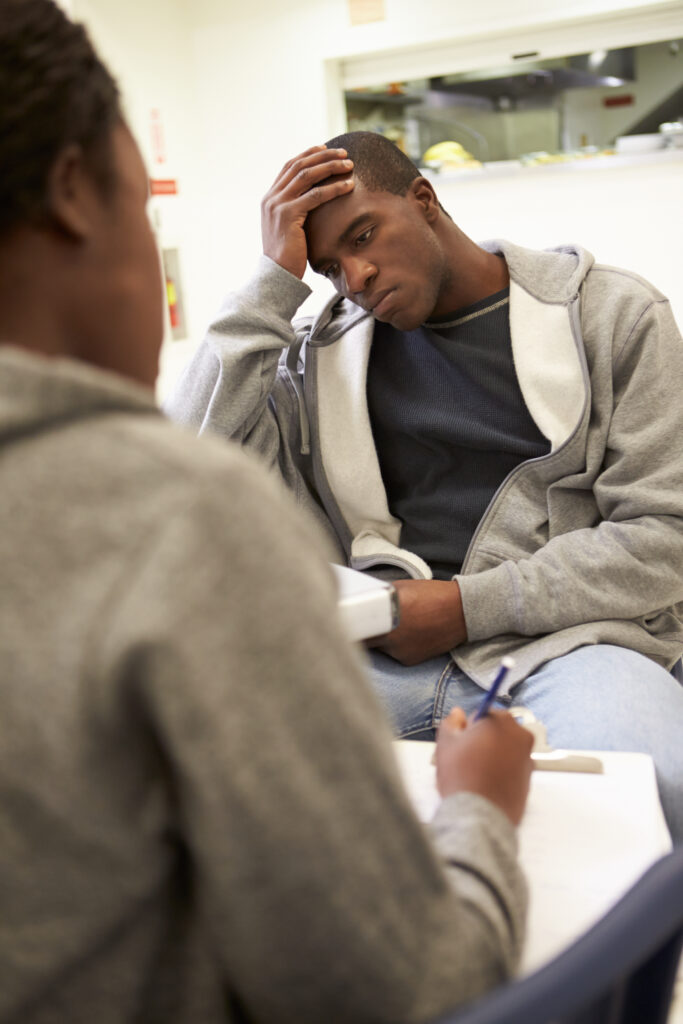
Addiction is cruel. When your wife or husband is addicted, their priorities begin to shift. They no longer seem like themselves anymore. Maybe you’ve tried talking to them, only to encounter angry denials or excuses.
This Redemption Recovery article offers advice on talking to your spouse about alcohol or drug addiction and how to best handle a difficult situation.
Your Goal is Getting Help For Your Addicted Husband or Wife
Remember: Your #1 goal is to get help for your addicted spouse. While your feelings of anger, frustration, and betrayal are valid, focusing on getting them treatment is essential. Every action from now until they enter detox should aim toward this goal.
To succeed, you may need to set some emotions aside, avoid blame, and approach the situation with love. Remember, it’s you and your spouse versus addiction, not you versus your spouse. They need to hear and feel this from you.
What You Should Do When Talking to a Spouse About Addiction
Remembering your goal to help them stop the spiral of addiction, picture your husband or wife as they were before addiction. Try to visualize their mistakes since then as symptoms of a disease rather than deliberate selfishness and cruelty. Start with love.
1: Frame The Conversation
This is you and your spouse vs. the addiction. Your spouse is already beating themselves up about the mistakes they’ve made. They likely feel powerless and guilty already. Adding to their guilt will not get you closer to your goal of getting them help. It will only shut down the lines of communication.
2: Be a Good Listener
When talking to an addicted spouse, the tendency is to vent and explain how their actions affect you. Instead, take a problem-solving approach: How can we solve this together? Listen to your partner as much as you talk. Don’t just pause to plan your next words; truly hear them and respond to show you’re listening.
3: Focus on the Solution
Feelings will be expressed. You may be tempted to dredge up the past or issue ultimatums or threats. Try to avoid all of that. Instead, keep bringing the conversation back to the solution. Say things like, “OK, I understand that—but how do we help you get sober?” Ask your addicted spouse to meet you halfway. If they say no to rehab, ask them to try an intensive outpatient program (IOP) first.
4: Have a Plan
Don’t just wing it. Make a plan to approach your loved one and have contingencies if things don’t go as expected. Consider an addiction intervention if necessary. Ideally, you’d want to hire a professional for that. We can help advise you on intervention and answer any questions you have about addiction treatment for your husband or wife. Call us for help: (419) 528-8007
What You Shouldn’t Do When Talking to Your Spouse About Addiction
This part is simple but not always easy. It’s very important to try and keep your emotions in check, especially anger. This does not mean that anything your spouse has done that harmed you is excused or that your anger is not valid. It just means there’s a time and a place, and anger, blame, and guilt-tripping will only serve to jam you up here. They will get in the way of getting what you really want—a solution.
Try to approach the conversation when you are calm and well-rested. Have the talk in a place where your wife or husband feels safe and comfortable. Remember your goal and try to table any hurt feelings—-just for now.
When talking to a spouse about their addiction, avoid:
- Accepting promises to stop or “cut down” — the goal is for them to admit they need help.
- Raising your voice, yelling, or saying hurtful things in anger.
- Playing the ‘blame game’ or rehashing past arguments.
- Dredging up the past or chastising them for broken promises.
- ‘Gaslighting’ or manipulation (even if they attempt to do this to you).
Redemption Recovery: Compassionate Addiction Treatment
There may be no greater gift you can give someone you love than a chance at a sober life. At Redemption Recovery, we believe in the transformative power of recovery. A life in addiction recovery holds solutions to so many problems. It offers not only a path forward for a healthier, happier life but also ways to repair broken relationships and lost trust.
Our mission is to help people stop using drugs and alcohol for good. We help them acquire a set of valuable living tools that can help them continue to grow for a lifetime. The Redemption Recovery program is a robust combination of proven addiction treatment methods, mental health treatment, and valuable life skills.
Our evidence-based addiction treatment curriculum makes us unique among addiction treatment centers in Ohio. No matter how far you think your loved one has fallen, it’s never too late to turn it around with the right help. All it takes is a phone call. Make it today!
One call can change it all.
It’s time for Redemption: (419) 528-8007
Find out what addiction treatment your insurance will cover here.